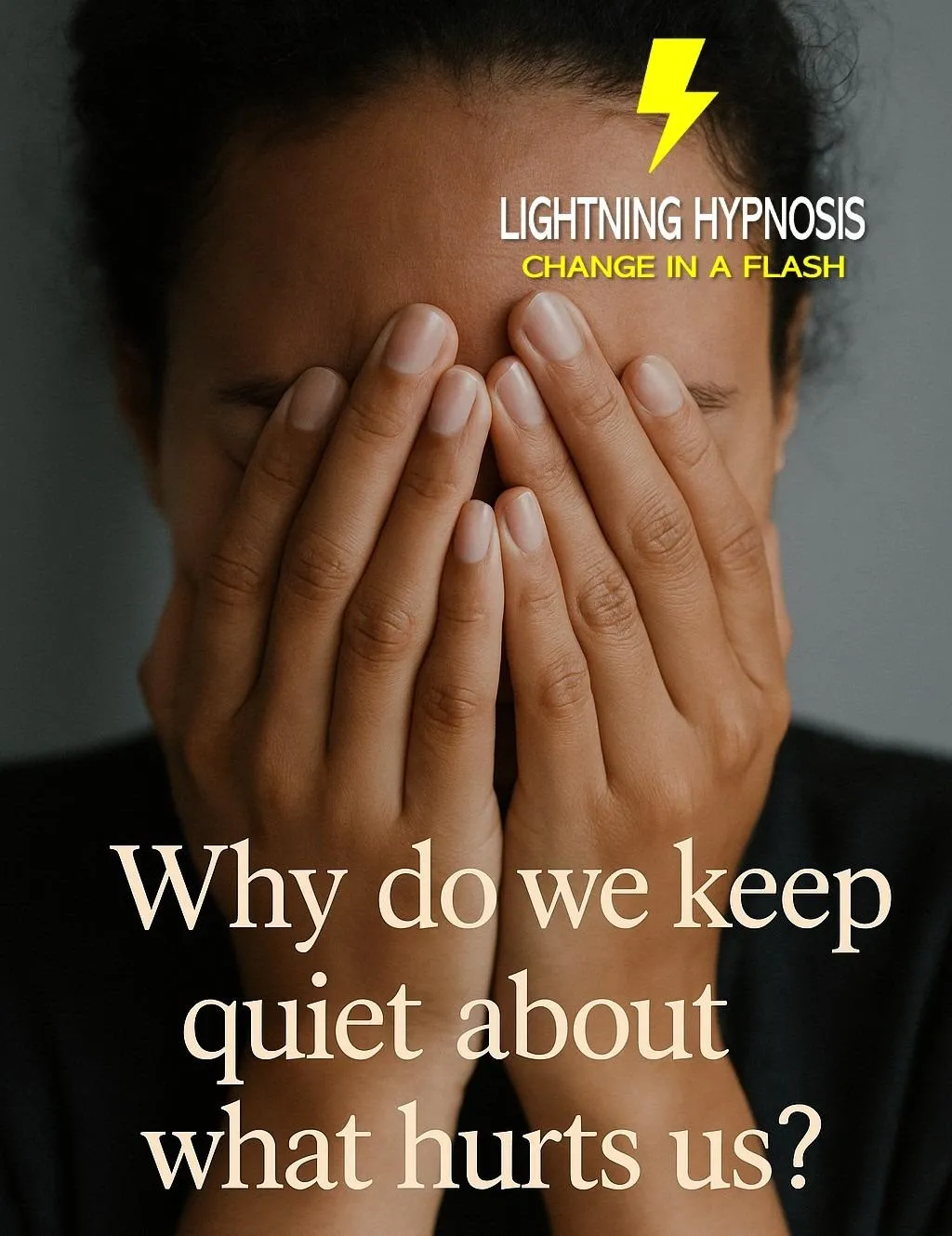
Why Do We Keep Quiet About What Hurts Us?
Why Do We Keep Quiet About What Hurts Us?
Silence protects nothing, it only delays healing.
Lately, I’ve noticed how often people, including myself, stay quiet about things that hurt us. We convince ourselves it’s better not to talk that time will fix it. But silence rarely heals what we refuse to face.
It’s something most of us do without realizing it we keep quiet about what hurts us.
We hold it in, hoping it will fade on its own. But the truth is, silence rarely heals pain; it usually keeps it alive under the surface.
Why We Stay Silent
People stay silent for different reasons. I’ve done it too thinking silence would protect me from conflict, only to realize it was protecting my pain instead. Some are afraid of being judged or misunderstood. Others believe that talking about their emotions will make them seem weak. Sometimes we keep quiet to avoid conflict, not wanting to make things worse or hurt others. In some cases, silence feels like protection, a way to stay in control when everything else feels uncertain.
But while silence may bring temporary peace, it often creates long-term discomfort. When we don’t express what hurts, we don’t stop feeling it, we just internalize it.
The Emotional Cost of Holding It In
Keeping pain to ourselves can have consequences we don’t always notice at first. It can turn into guilt, resentment, or sadness. We may find ourselves replaying moments in our heads, wishing we had spoken up or handled things differently. Over time, that emotional buildup can lead to stress, irritability, or even physical symptoms like fatigue and headaches.
Silence doesn’t erase what happened. It only stores it deeper, and that stored pain becomes part of how we react to the world. It can shape our relationships, how we communicate, and even how we see ourselves.
Naming What You Feel
A step toward emotional health is learning to name what you feel.
Many people were never taught to do this, so it can feel uncomfortable at first. But naming emotions helps make sense of them. Saying, “I’m hurt,” “I feel angry,” or “I feel disappointed,” gives form to something that was previously just tension.
It’s also important to share emotions in safe spaces with people who listen without judgment, or through writing, therapy, or reflection. Talking about pain doesn’t make it bigger; it helps release the pressure of carrying it alone.
Acknowledging Pain Without Minimizing It
It’s that moment when someone asks how you are, and you say, ‘I’m fine,’ even though you’re not. You feel the words catch in your throat, but you let them pass. That’s the silence I’m talking about.
A common response to pain is to minimize it to say, “it’s fine” or “others have it worse.” While that might seem humble, it invalidates our own experience.
Acknowledging what hurts you doesn’t mean you’re overreacting. It means you’re recognizing your limits and giving yourself the chance to process what happened.
When we stop minimizing our pain, we start treating ourselves with honesty and respect. That’s where healing begins.
The Effects of Long-Term Silence
When we keep quiet for too long, our emotions don’t disappear, they just change form. Sometimes they turn into tension, fatigue, or resentment. The body ends up carrying what the heart can’t express.
Keeping quiet for too long can affect more than emotions. It can lead to toxic relationship patterns, where resentment replaces communication. It can create negative emotional loops that make it harder to trust or connect with others. In some cases, repressed pain can even contribute to physical illness because emotional stress affects the body as much as the mind. Silencing pain doesn’t make us strong, it disconnects us.
Letting Go and Releasing Tension
When we finally talk about what hurts, something shifts. The body relaxes. The mind clears. We regain energy that was tied up in suppression.
Letting go doesn’t mean forgetting it means freeing yourself from the constant effort of holding it in.
Learning to recognize, accept, and release pain is essential to emotional and physical health. It’s not about living without struggle, but about not letting struggle define us from the inside out.
Don’t Keep Quiet About What Hurts You
Maybe healing doesn’t start with big conversations. Maybe it starts with admitting to ourselves that something hurts and that we deserve to say it out loud.
It’s normal to protect yourself or others by staying silent for a while. But eventually, silence becomes a wall between you and your own well-being.
Keeping quiet about what hurts might seem harmless, but it builds tension, fuels negative emotions, and can even manifest illness. Everything unspoken stays in the body, waiting to be released.
Don’t shut down what hurts you understand it. Find the words. Speak to them where it’s safe. That’s how you begin to heal.
Written by: MLS & PP Rosario A. Zaragoza
“If you don't speak, you would never go forward.”
Written exclusively for Master Hypnotist and Complete Mind Therapist Chuck DeBroder and Lightning Hypnosis ⚡
Consultation here: Book a Call Now
or call +1-915-203-3007 and let's chat.